

PVRV In-Service Testing System
Model: YXHXF-001A
Safe · Accurate · Portable · Reliable
Advanced In-Service Testing & Performance Verification Solution for Pressure/Vacuum Relief Valves (PVRVs) & Emergency Relief Vents (ERVs) Without Process Shutdown.
Product Overview
Pressure/Vacuum Relief Valves (PVRVs) are critical safety devices installed on atmospheric storage tanks across the oil & gas, petrochemical, chemical, and power industries. Operating alongside Emergency Relief Vents (ERVs) and Nitrogen Blanketing Valves (NBVs), PVRVs form the core safety protection system for storage tanks. When internal tank pressure or vacuum exceeds safe operating limits, the valve automatically opens to relieve excess pressure or admit air, maintaining tank structural integrity and preventing product loss.
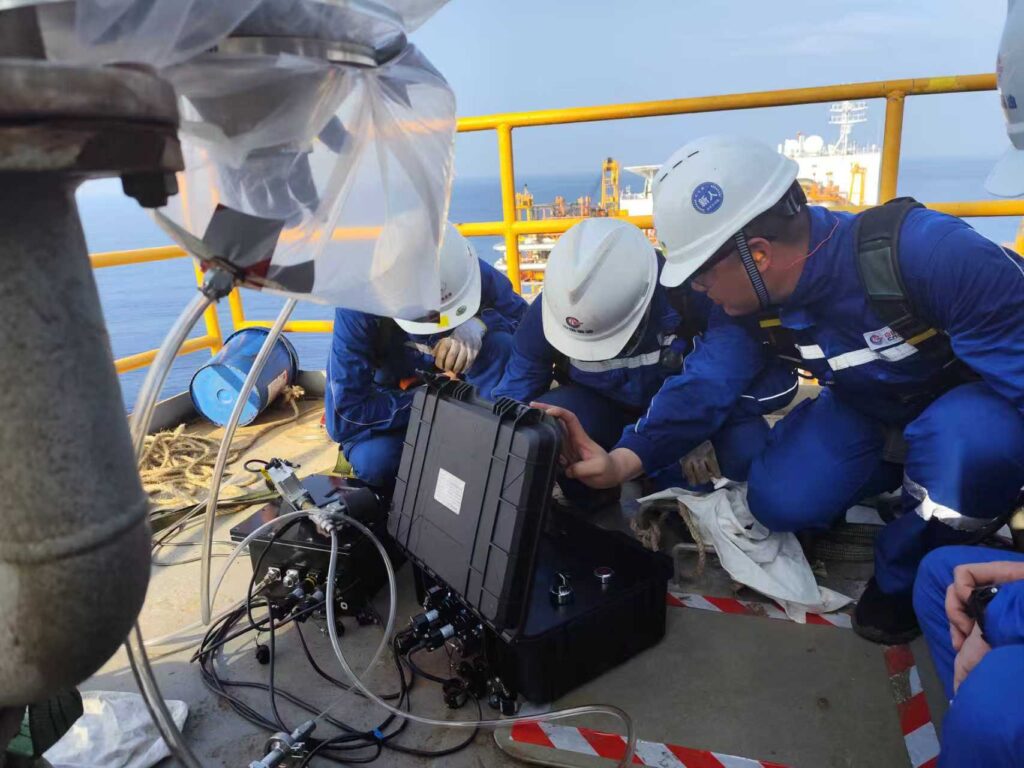
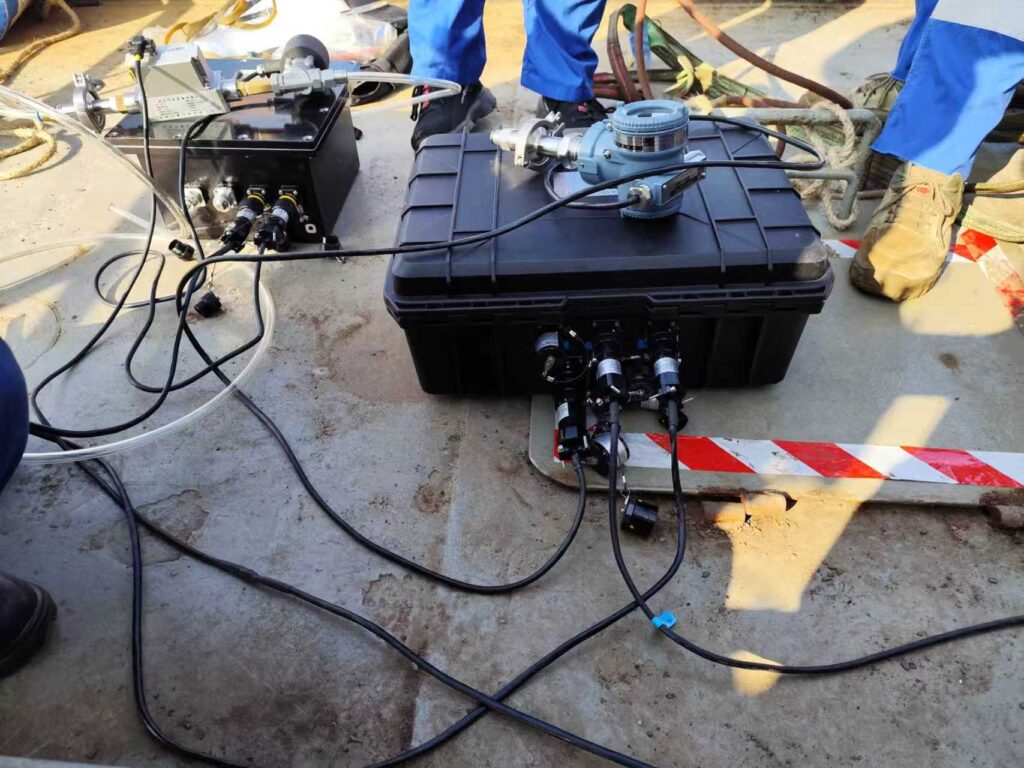
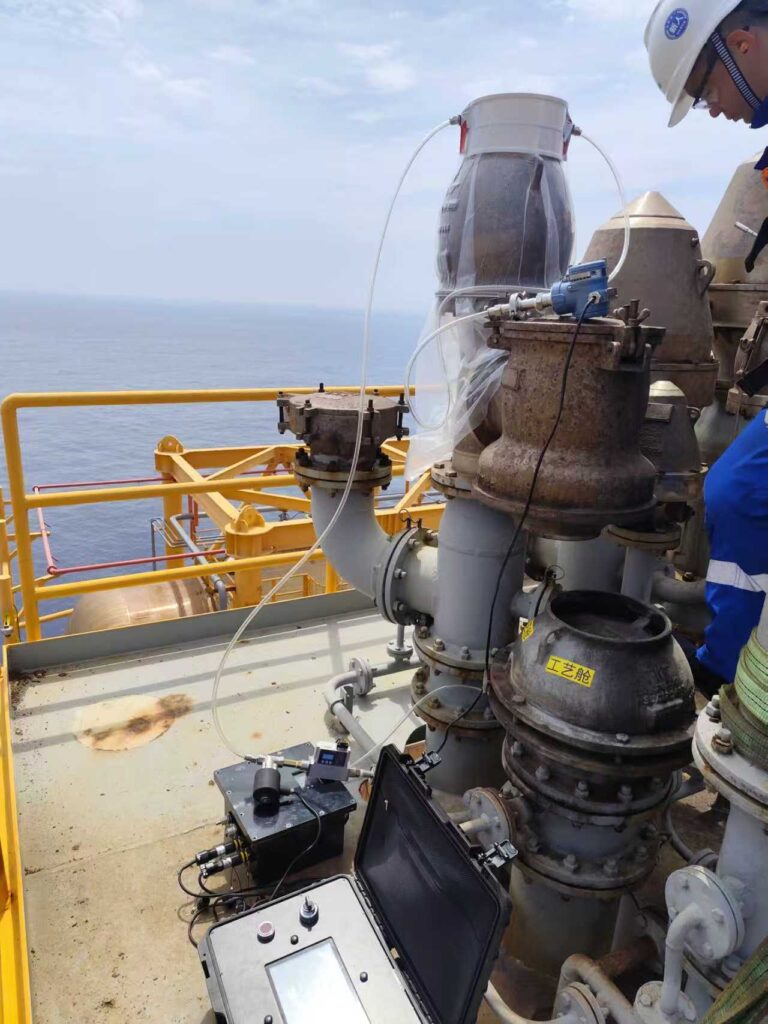
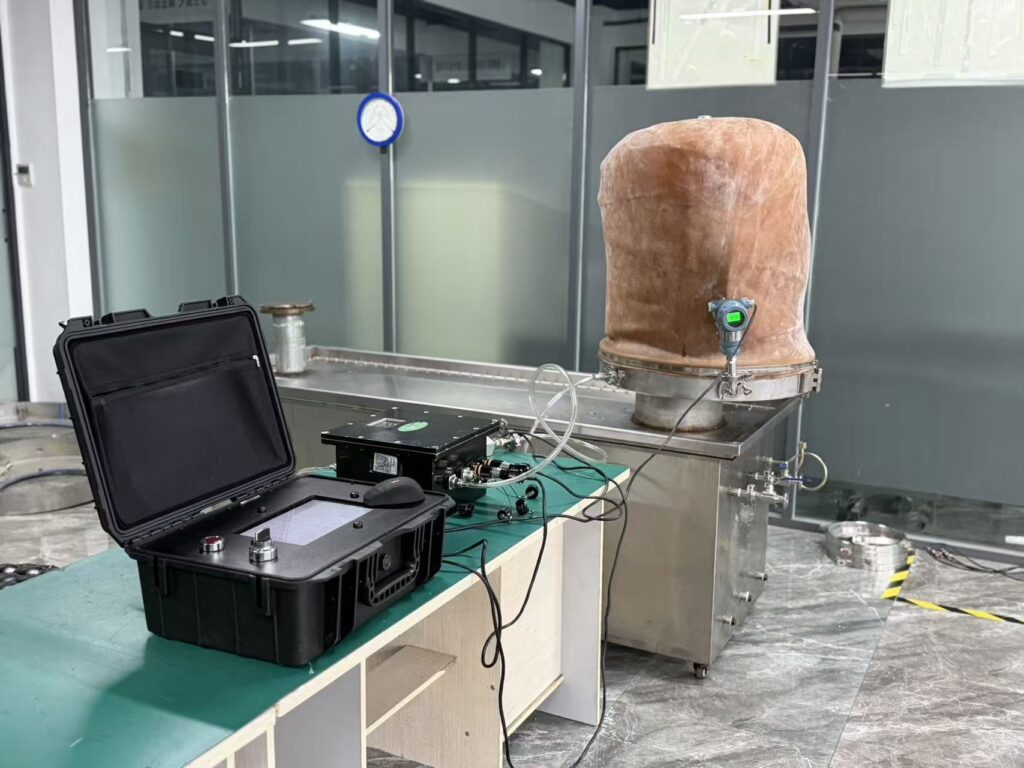
The PVRV In-Service Testing System (Model: YXHXF-001A) utilizes an advanced, self-developed Reverse Differential Pressure Method. It enables fast, precise, dynamic inspection of PVRVs and ERVs directly on operating storage tanks—without process shutdown and without valve disassembly.
Key Technical Advantages
In-Service Testing Without Shutdown: Conduct functional testing while storage tanks remain in normal operating condition, eliminating costly process shutdowns and production losses.
Zero Disassembly Required: Conduct testing in-situ on top of the tank without removing valves or emergency vents, significantly reducing labor, maintenance downtime, and high-altitude handling risks.
High Accuracy & Real-Time Auto-Correction: High measurement precision with automatic correction for positive/negative pressure and leakage rates, delivering dynamic performance evaluation.
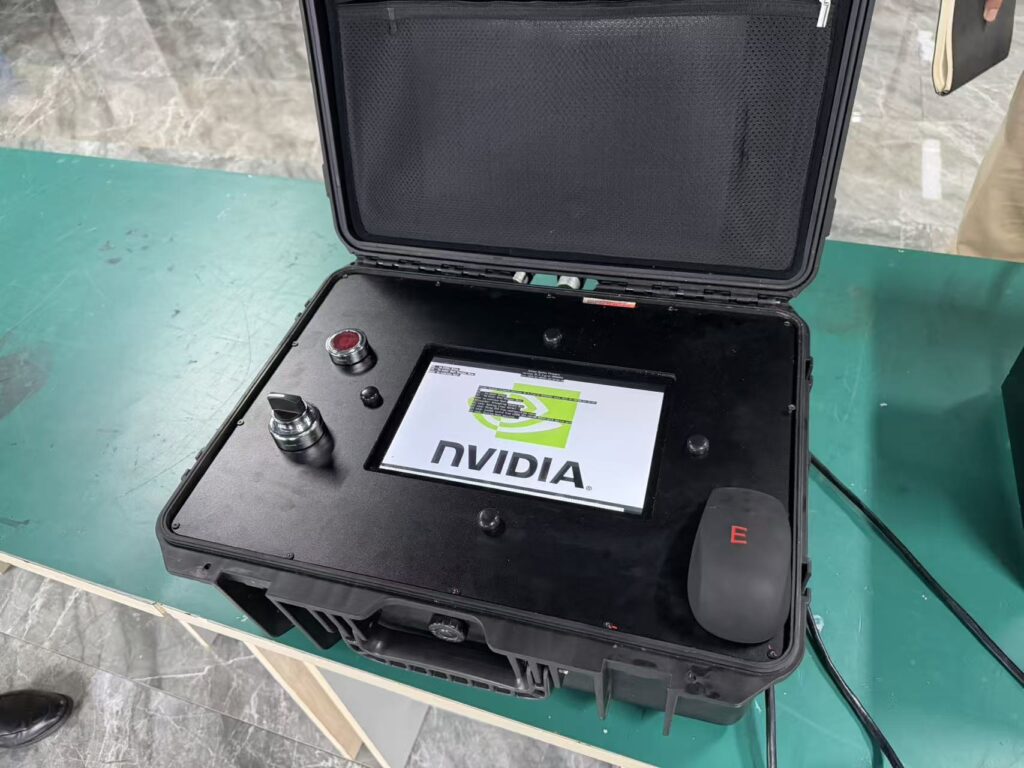
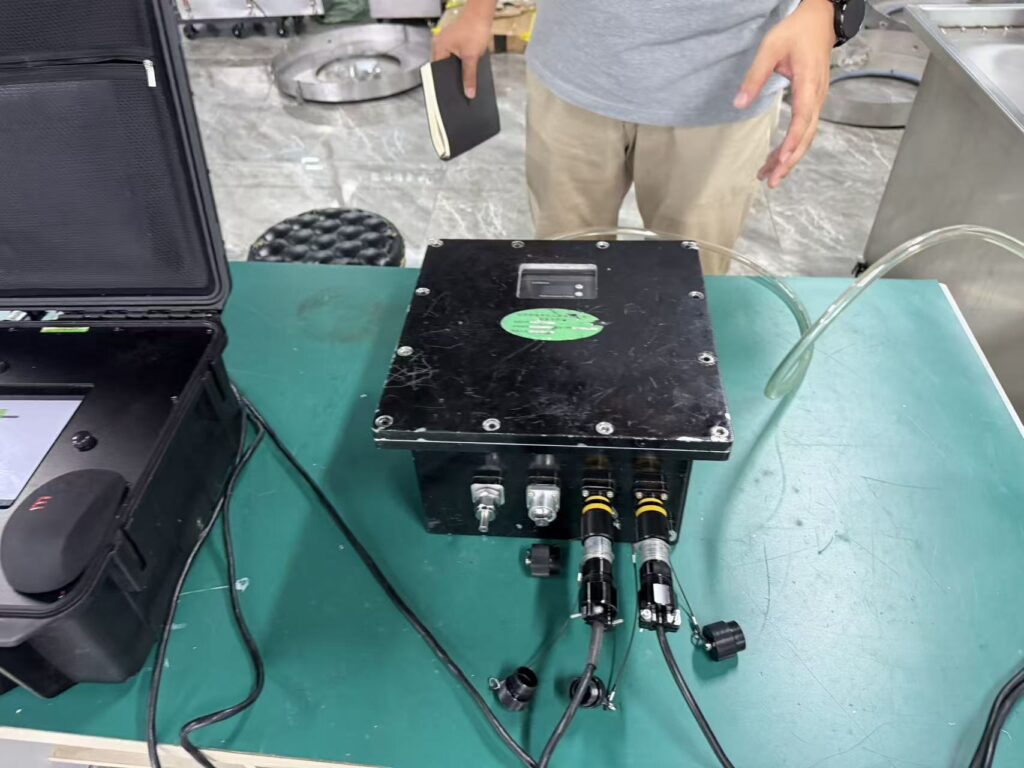
Explosion-Proof & Independent Power/Gas Design: Fully certified explosion-proof unit operating without external power or air supply. Fully compliant with NB/T 11662 and T/CASE 1026 standards for reverse differential pressure testing.
Universal Compatibility: Compatible across various line sizes (DN50–DN350 standard, up to DN500/DN600 with adapters) and PVRV designs from major global manufacturers.
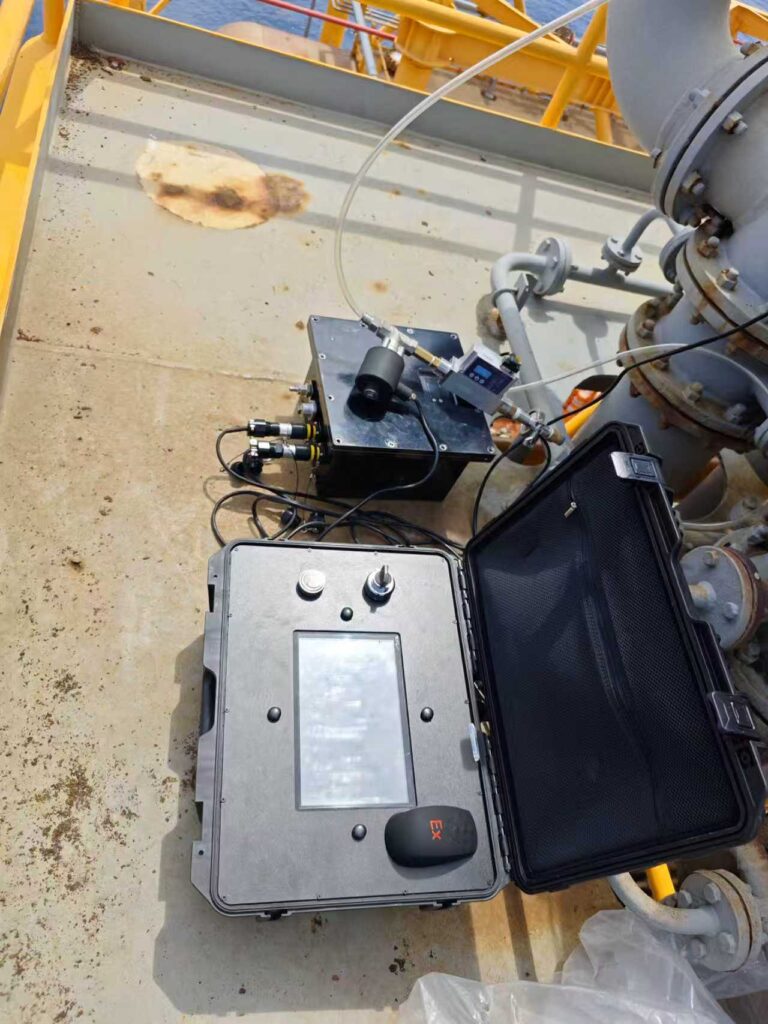
Portable & Field-Ready: Compact and lightweight layout allows effortless transport and setup on tank tops by asset owners and third-party inspection agencies.
Testing Principle & Core Procedures
Testing Principle: Reverse Differential Pressure Method
Recommended by API 2000 for in-service performance verification. While the PVRV remains installed and in normal operating condition, controlled positive pressure or vacuum is applied to the atmospheric side of the valve to reverse the pressure differential across the pallet and test key performance metrics.
Key Test Items & Procedures
- Pressure Relief Set Pressure Test: A vacuum pump generates controlled negative pressure in the test fixture. Combined with real-time internal tank pressure, the lower valve pallet lifts to open, and the system software automatically records the set pressure.
- Vacuum Relief Set Pressure Test: Test gas is introduced into the test fixture to create a controlled positive pressure, lifting the upper pallet. The software automatically detects and records the vacuum opening pressure.
- Opening Pressure Formula:$$P_k = P – P_{O1}$$
- (Where $P_k$ = Opening pressure, $P$ = Real-time tank pressure, $P_{O1}$ = Applied negative/positive pressure required to open).
- Leak Tightness Test: Test pressure differential is set at 75% of valve opening pressure (or 80%/90% depending on applicable standards). A constant-pressure control system maintains stable conditions while a high-precision totalizing flow meter (Accuracy Class 0.5–1.0) measures cumulative gas leakage. Three 1-minute interval readings are taken and averaged.
Specialized Test Fixture Options
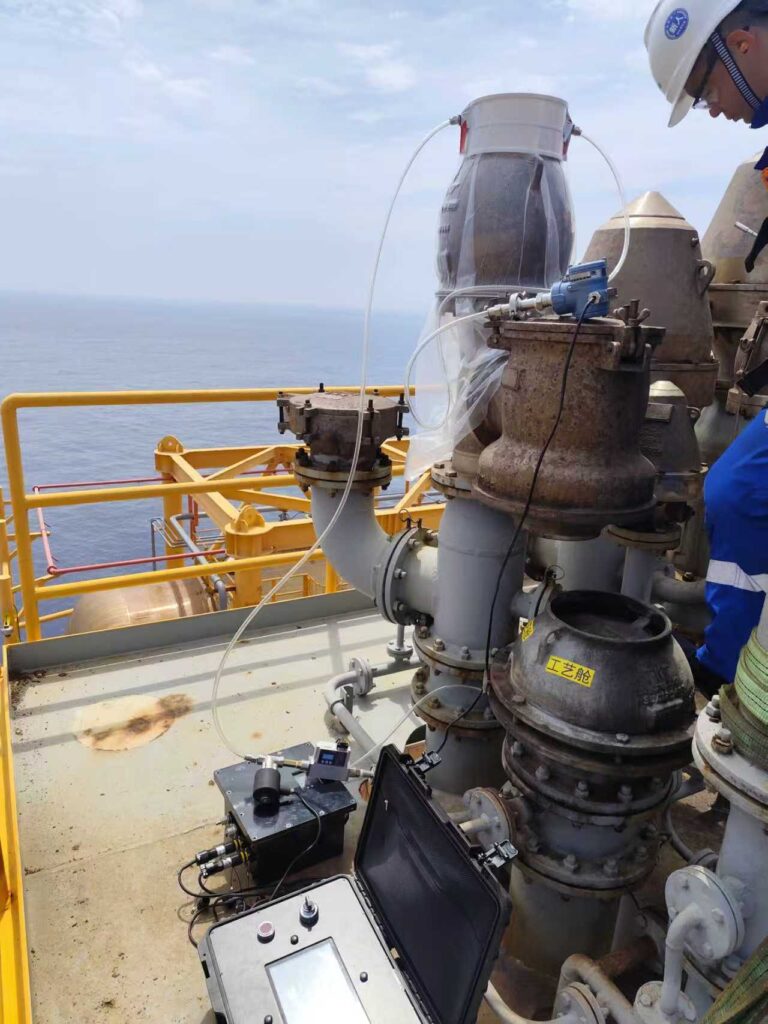
Air Bladder Type Fixture: Robust and highly durable construction; provides reliable sealing performance for repeated heavy-duty field applications.
Membrane Type Fixture: Ultra-lightweight and portable; rapid membrane replacement; a single fixture fits multiple PVRV designs by swapping membranes, reducing spare parts inventory.
Scope of Application & Specifications
Applicable Valve Types: Pressure/Vacuum Relief Valves (PVRVs), Emergency Relief Vents (ERVs), Air-Cushion & Membrane Types.
Standard Line Sizes: DN50 to DN350.
Extended Line Sizes: DN500 / DN600 (with optional mechanical size adapter).
Flow Meter Accuracy: Class 0.5 – 1.0 High-Precision Totalizing Flow Meter.
Target Application Sites: Refineries, petrochemical plants, chemical industrial sites, oil terminals, tank farms, and third-party inspection organizations.
Applicable Standards & Compliance
| Region | Standards & Regulations | Key Inspection Requirements |
| United States | API 2000, API 653, OSHA 29 CFR 1910 | Periodic inspection, functional testing, and documented maintenance for tank protection integrity. |
| Europe | ISO 28300 (adopts API 2000), EN 14015 | Periodic inspection, cleaning, calibration, and performance verification as part of integrity management. |
| China | GB/T 37327-2019, NB/T 11662-2024, SY/T 5225-2019, T/CASE 1026 | Mandatory annual testing/calibration of set pressure, vacuum setting, leakage rate, and operational performance. |
| Southeast Asia & Global | API 2000, API 653, Local Regulations (SCDF, DOSH, MIGAS) | API-based inspection practices for tank farms and terminals, including in-service calibration and functional verification. |
Contact & Call to Action
Contact Good Gear Solution Pte. for detailed technical proposals, live demonstration videos, or product quotations!